## How EV Battery Temperature Test Equipment Works
As electric vehicles (EVs) gain momentum in the automotive industry, ensuring the safety and efficiency of EV batteries becomes paramount. EV Battery Temperature Test Equipment is crucial in this regard, designed to monitor and manage battery temperatures throughout the manufacturing and testing processes. This sophisticated technology plays a key role in enhancing production efficiency, optimizing battery performance, and ensuring safety standards.
At the core of EV Battery Temperature Test Equipment are several key components: thermal sensors, data acquisition systems, cooling systems, and user interfaces. The thermal sensors, which can include thermocouples and infrared sensors, detect temperature variations within the battery cells. These sensors provide real-time monitoring, enabling technicians to capture precise thermal data during various tests.
Once the thermal information is collected, the data acquisition system comes into play. This system processes the sensor data, converting it into actionable insights. It uses advanced algorithms to analyze temperature fluctuations, helping identify potential hotspots that could lead to battery malfunction or degradation. The information is then displayed on a user-friendly interface, allowing technicians to easily monitor and adjust the test parameters as necessary.
Cooling systems are fundamental to maintaining optimal testing conditions. These systems often feature temperature-controlled chambers that simulate various environmental conditions and scenarios that a battery might encounter in real-world usage. By regulating the temperature of the battery cells during testing, manufacturers can ensure that their products are capable of operating efficiently in diverse climates.
The application of advanced technology in EV Battery Temperature Test Equipment enables manufacturers to enhance their production processes significantly. For instance, during the quality assurance phase, a company can utilize this equipment to verify that each battery module operates within a designated thermal envelope. If a battery exceeds the acceptable temperature threshold, it can be flagged for further inspection or modification, ultimately reducing the chances of failure in the field.
In practical scenarios, consider a manufacturer producing electric bus batteries. By using EV Battery Temperature Test Equipment, they can simulate prolonged charging cycles under varied temperatures, ensuring that each battery meets strict performance and safety standards. This careful monitoring not only extends the lifespan of the batteries but also reinforces consumer confidence in the product.
In conclusion, EV Battery Temperature Test Equipment is pivotal in modern manufacturing processes, driving safety and efficiency in battery production. As the demand for electric vehicles surges, embracing such innovative technology is essential. If you're looking for reliable suppliers of EV Battery Temperature Test Equipment, please do not hesitate to contact us for further information.

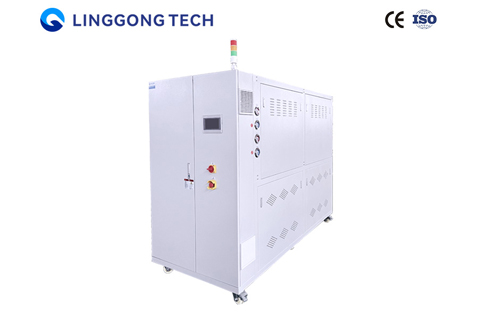

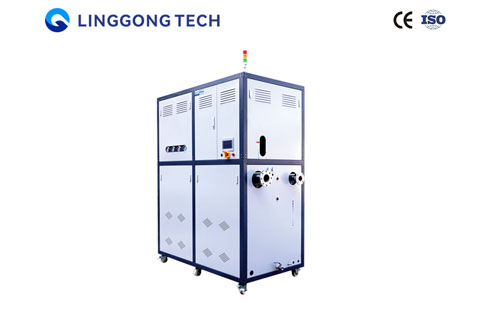
 High Precision Temperature Control Test Equipment