Electric Vehicle Thermal Test Equipment (EVTTE) plays a pivotal role in the automotive industry, particularly as the demand for electric vehicles (EVs) continues to rise. As vehicles evolve to meet environmental regulations and consumer expectations for performance and reliability, understanding and managing thermal dynamics becomes essential. EVTTE encompasses a wide range of tools and systems designed to evaluate the thermal performance of electric vehicles, ensuring safety, efficiency, and durability.
As electric vehicles primarily rely on electric motors and lithium-ion batteries, effective thermal management is critical. High-performance batteries generate significant heat during operation and charging, potentially affecting their lifespan and safety. EVTTE facilitates comprehensive thermal testing by simulating various operational conditions, including extreme temperatures and variable load scenarios. This simulation is vital for engineers to assess the system's capability to handle thermal stress while optimizing battery performance and enhancing vehicle range.
Expertise in EVTTE is often rooted in interdisciplinary fields, including thermodynamics, materials science, and electrical engineering. Professionals in this sector typically possess advanced knowledge and experience in utilizing thermal imaging, calorimetry, and environmental chambers to gather precise data. Such expertise allows them to analyze thermal behavior comprehensively, helping to identify potential risks like thermal runaway, which is crucial for battery safety.
The experience gained from rigorous thermal testing not only ensures that EV components perform efficiently but also contributes to meeting regulatory standards and consumer expectations. Companies can establish themselves as authorities in the market by investing in advanced EVTTE systems that provide accurate and reproducible results. By adhering to standardized testing protocols, manufacturers can validate their designs, leading to improved product reliability and customer trust.
Moreover, as the industry pushes for greater sustainability, EVTTE will continue to evolve. Innovations such as artificial intelligence and machine learning are increasingly being integrated into thermal testing processes, enabling predictive analytics for better performance forecasting. This forward-looking approach enhances not only the development cycle but also contributes to safer and more efficient electric vehicles.
In conclusion, Electric Vehicle Thermal Test Equipment is essential for the advancement and commercialization of electric mobility. Expertise in this area empowers manufacturers to overcome thermal management challenges, ultimately leading to safer, more efficient, and reliable electric vehicles that meet the demands of today’s environmentally conscious consumers. By focusing on effective thermal testing, the automotive industry can continue its transformational journey towards a sustainable future.

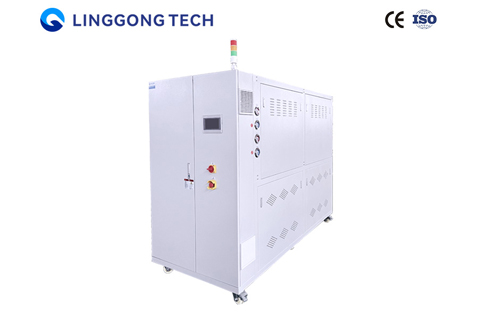
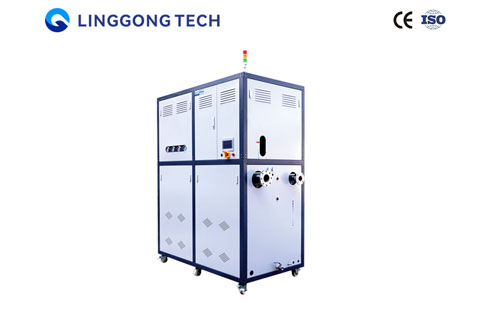

 High Precision Temperature Control Test Equipment