## How Semiconductor Temperature Test Equipment Works
Semiconductor Temperature Test Equipment plays a pivotal role in ensuring the reliability and performance of semiconductor devices. This specialized equipment is designed to evaluate how temperature variations impact electronic components, providing critical data for manufacturers involved in semiconductor production.
At the core of this sophisticated technology lies several key components, including environmental chambers, temperature sensors, and control systems. The environmental chambers are utilized to simulate various temperature conditions, ranging from extreme cold to intense heat. These chambers are equipped with precise temperature control mechanisms, allowing for accurate environmental adjustments.
Temperature sensors, often thermocouples or resistance temperature detectors (RTDs), are employed to monitor the temperature of the semiconductor devices inside the chamber. These sensors provide real-time feedback, ensuring that the testing scenarios are consistently accurate. The control systems integrate the information from the sensors and manage the operational conditions within the chambers, which aids in maintaining the desired temperature settings throughout the testing process.
The working mechanism of Semiconductor Temperature Test Equipment typically involves placing semiconductor devices within the environmental chamber where temperature cycling or stress testing is conducted. The equipment systematically elevates and lowers temperatures, allowing for the evaluation of thermal stability, performance consistency, and failure mechanisms under varying thermal conditions.
The application of advanced technology in this field cannot be overstated. Modern Semiconductor Temperature Test Equipment employs advanced data acquisition systems that gather and analyze vast amounts of data in real time, enhancing the efficiency and accuracy of the testing process. For instance, in the production of microprocessors, precise thermal testing ensures that the devices can withstand operational temperatures in real-world applications. Manufacturers can identify potential failures before the products are released, significantly reducing return rates and enhancing customer satisfaction.
Practical application scenarios of this technology are evident in industries like automotive and consumer electronics, where semiconductor components must operate reliably in varying thermal environments. As devices evolve, ensuring their performance under temperature stress becomes increasingly crucial.
In conclusion, Semiconductor Temperature Test Equipment is vital to modern manufacturing processes, enabling manufacturers to produce high-quality, reliable semiconductor devices. As the demand for advanced electronic components continues to grow, the importance of this technology becomes paramount. If you are looking for leading suppliers of such advanced testing equipment or have further questions, please feel free to contact us.


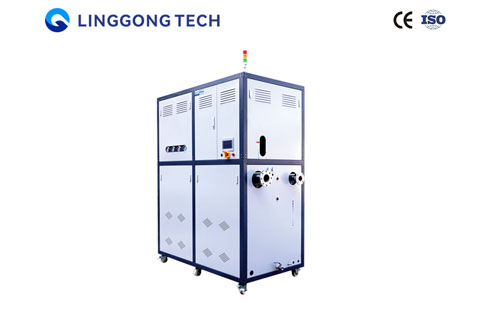
 High Precision Temperature Control Test Equipment