



Engine Testing: Advanced Temperature Control Systems Enhance Precision and Performance
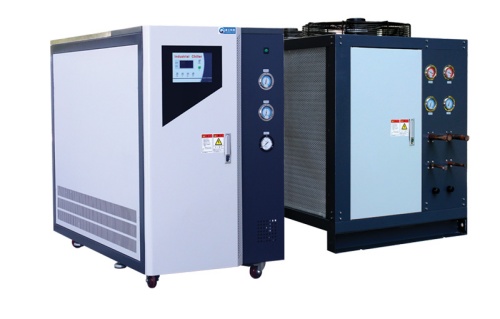
Temperature Control Test System for Motor
Application Scenario:
These temperature control devices are primarily used in the testing control systems for automotive engines and other industry-specific testing platforms. They are integral to ensuring precise and stable temperature regulation during the evaluation of various engine components.
Purpose of Equipment:
The equipment is used to heat and control the temperature of fluids involved in engine testing, including engine oil, fuel, and other relevant engine fluids. These fluids are critical in determining the engine's performance, durability, and efficiency during different test phases.
Testing Types:
The temperature control systems are involved in several types of testing processes, including:
Durability Testing: Simulating prolonged operation to evaluate the endurance of engine components under various conditions.
Performance Testing: Assessing the engine’s power output, fuel efficiency, and overall performance metrics.
Destructive Testing of New Generation Internal Combustion Engines: Conducting stress tests and failure simulations to push the engine to its limits and identify weak points for improvement.
Technical Requirements:
Temperature control units used in these applications need to meet stringent performance standards, including:
Fast Response: The system must be capable of quickly adjusting to temperature setpoint changes induced by testing cycles or pressure variations.
High Precision: The temperature needs to be maintained within a very tight tolerance of ±1°C to ensure consistent and accurate test results, as even minor temperature fluctuations can significantly impact test outcomes and engine performance analysis.
The Temperature Control Test System plays a critical role in automotive engine testing by providing precise temperature regulation for the fluids used in engine evaluations. This includes engine oil, fuel, and other engine fluids, which are essential to testing durability, performance, and the limits of new-generation internal combustion engines.
These systems are designed to meet the high demands of test platforms that require rapid temperature adjustments and high accuracy. Specifically, they ensure that the temperature remains within ±1°C throughout the test process, which is crucial for maintaining the integrity of the testing results and achieving reliable and consistent performance metrics.
In addition to the primary requirement of quick response times and precise control, these systems must be adaptable to various testing conditions, including stress tests and long-term performance evaluations. The versatility and precision of temperature control are vital for automotive manufacturers and engineers, who rely on them to test the durability and efficiency of their products under real-world conditions.


