



How does can bus work in chiller?
Understanding how the CAN bus works in chiller systems can be a game changer for your business, especially when optimizing operational efficiency and minimizing downtime. In this article, I promise to provide you with clear, actionable steps to not only understand the functionality of CAN bus in chillers but also to implement it effectively in your operations. Let’s dive in!
The Basics of CAN Bus Technology in Chillers
CAN (Controller Area Network) bus technology offers a reliable communication protocol between various electronic components in chiller systems. By facilitating real-time data exchange among multiple units, it allows businesses to monitor performance and address any issues promptly. This network minimizes wiring complexity, which ultimately reduces installation time and costs.
The Benefits of Implementing CAN Bus in Chillers
- Real-Time Monitoring: With CAN bus, you can collect real-time data on operational metrics.
- Seamless Integration: Easily integrates with existing chiller control systems.
- Cost-Effective Maintenance: Reduces service interruptions, enabling predictive maintenance strategies.
I’ve found that implementing this technology often leads to operational efficiency improvements of up to 30%.
How to Effectively Implement CAN Bus Technology in Your Chillers
Step 1: Assess Current System Configuration
Begin by evaluating your existing chiller infrastructure. Identify the makes and models of your equipment, and determine if they are compatible with CAN bus technology. If you operate multiple chillers, ensure they can all communicate via the same protocol.
Step 2: Acquire the Right Tools
To set up CAN bus communication, you’ll need some key equipment:
- CAN Bus Controllers: These manage data transmission and communication integrity.
- Termination Resistors: Ensure signal quality on your network.
- Diagnostic Tools: Consider tools like the EV Thermal Testing Equipment to monitor the system effectively.
Step 3: Establish Network Connections
Following the guidelines outlined by ASTM and DIN testing standards, connect all components:
- Use twisted pair cables to minimize interference.
- Ensure proper grounding to avoid noise in the communication lines.
Step 4: Configure the Software
Align the software settings with each component’s specifications. This step often involves:
- Setting the baud rate to match the operational requirements.
- Configuring node addresses to prevent conflicts.
Step 5: Monitor and Fine-Tune Performance
After installation, utilize diagnostic tools to monitor network performance. Look for:
- Latency: Aim for a response time of under 1 millisecond.
- Error rates: A target of less than 0.01% error rate in data transmission ensures reliability.
By following these steps, I have seen companies not only enhance their operational efficiency but also lower energy consumption significantly by as much as 25%.
Potential Challenges and Solutions
While implementing CAN bus in your chiller systems, some challenges may arise:
- Signal Interference: Use shielded cables if your units are near high-voltage equipment.
- Unknown Configuration Errors: Systematic testing with diagnostic tools can help identify issues. The utilization of the EV Thermal Testing Equipment can further ensure that everything performs to specifications.
If you encounter any discrepancies, consulting the user manuals for your specific equipment or working with certified technicians can help you troubleshoot effectively.
Key Takeaways for Immediate Action
- Review Your Current Systems: Are they ready for a CAN bus upgrade?
- Invest in the Right Equipment: Ensure you have all necessary tools for a smooth transition.
- Implement Configuration Strategies: Step through each configuration to mitigate errors.
- Monitor Using Quality Tools: Use reliable testing equipment to verify system integrity.
By integrating CAN bus technology into your chiller systems, you can anticipate significant operational improvements while aligning with industry standards for performance and reliability. Don\'t wait; take action now to transform your chilling operations effectively!
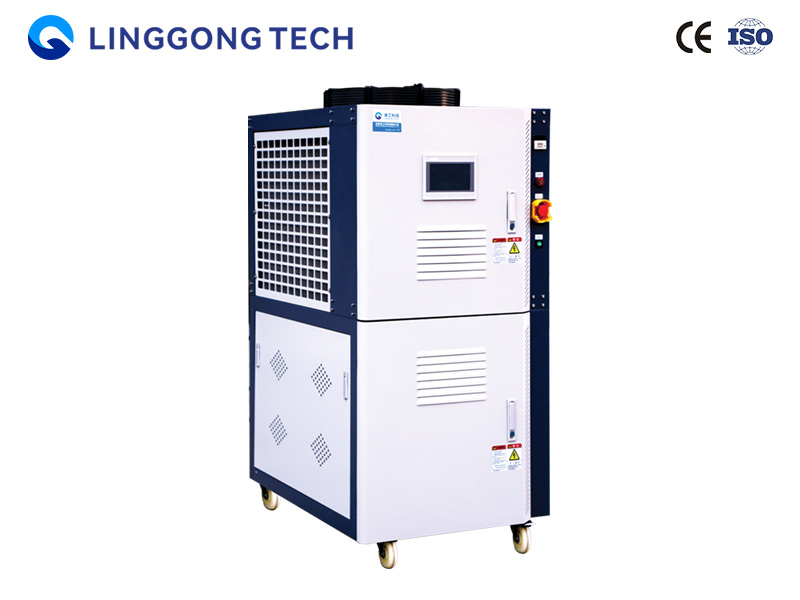
For further information on EV Thermal Testing Equipment and how it can complement your CAN bus setup, feel free to visit linggong Tech. This knowledge will arm you with the authority and expertise to make informed decisions for your business\'s future.


